Bee Keychain Craft
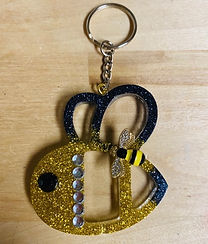
Epoxy resin has become a favorite material for crafters who want to create unique, durable, and eye-catching projects. When combined with molds, epoxy opens up endless possibilities for making personalized items, from jewelry to home decor. This post explores creative ways to use epoxy with molds, offering practical tips and inspiring ideas to help you get started or elevate your craft game.

Understanding Epoxy and Molds
Epoxy resin is a two-part mixture that hardens into a clear, glossy finish. It’s popular because it captures details beautifully and can be tinted with colors or embedded with objects. Molds are containers or shapes that give epoxy a form while it cures. They come in silicone, plastic, or metal and can be simple shapes like circles or complex designs like flowers or animals.
Using molds with epoxy allows you to create consistent shapes and intricate designs without carving or sculpting by hand. This combination is perfect for beginners and experienced crafters alike.


Choosing the Right Mold for Your Project
Selecting the right mold is crucial for achieving the desired look and ease of use. Here are some tips:
Material: Silicone molds are flexible and non-stick, making it easier to remove cured epoxy. Plastic molds are rigid and better for simple shapes.
Shape and Size: Think about the final product. Small molds work well for jewelry like pendants or earrings. Larger molds suit trays, coasters, or decorative pieces.
Detail Level: Molds with fine details capture textures and patterns, which can add depth to your craft.
Purpose: Consider if the mold is food-safe or suitable for items that will be handled frequently.

Preparing Epoxy and Molds for Best Results
Preparation affects the quality of your finished piece. Follow these steps:
Clean the Mold: Remove dust or debris to avoid imperfections.
Use a Mold Release Spray: This helps epoxy come out smoothly, especially with rigid molds.
Mix Epoxy Properly: Follow the manufacturer’s instructions for mixing ratios and stirring time to avoid bubbles or sticky spots.
Add Color or Inclusions: Mix pigments, glitter, dried flowers, or small charms into the epoxy before pouring.
Pour Slowly: Pour epoxy gently into the mold to reduce air bubbles.

Creative Ideas for Using Epoxy with Molds
1. Custom Jewelry Pieces
Create unique earrings, pendants, or rings by pouring colored epoxy into small silicone molds. Embed tiny objects like gold flakes, dried flowers, or beads for added interest. Once cured, attach findings like hooks or chains to complete the piece.
2. Decorative Coasters and Trays
Use larger molds to make coasters or serving trays. Add layers of epoxy with different colors or effects such as metallic powders or swirling patterns. You can also embed natural elements like leaves or small stones for a rustic look.
3. Keychains and Charms
Small molds shaped like animals, hearts, or geometric forms work well for keychains. Personalize them with initials or small photos sealed under epoxy. These make great gifts or party favors.
4. Home Decor Accents
Create knobs for drawers, decorative tiles, or paperweights by using molds with interesting textures. Experiment with layering epoxy in different colors or embedding small objects to add character.
5. Functional Art Pieces
Try making pen holders, candle holders, or even small bowls by using molds designed for functional items. Epoxy’s durability and glossy finish make these pieces both practical and beautiful.
Tips for Avoiding Common Mistakes
Bubbles: To reduce bubbles, mix epoxy slowly and use a heat gun or torch briefly over the surface after pouring.
Sticky Surface: If epoxy remains tacky, it might be due to incorrect mixing ratios or humidity. Measure carefully and work in a dry environment.
Demolding Issues: If epoxy sticks, try freezing the mold for a few minutes or gently flexing the mold to release the piece.
Color Fading: Use UV-resistant epoxy or add UV inhibitors to prevent yellowing over time.
Finishing Touches to Enhance Your Craft
After demolding, you can polish your epoxy piece with fine sandpaper or a polishing compound to achieve a smooth, glass-like surface. Adding a clear coat of epoxy or varnish can boost shine and protect the surface.
You can also combine epoxy pieces with other materials like wood, metal, or fabric to create mixed-media crafts. For example, epoxy coasters with wooden edges or epoxy pendants with leather cords add texture and style.
Safety Considerations When Working with Epoxy
Epoxy resin contains chemicals that require careful handling:
Work in a well-ventilated area.
Wear gloves and protective eyewear.
Avoid skin contact and inhaling fumes.
Follow disposal instructions for leftover resin and containers.
Taking these precautions ensures a safe and enjoyable crafting experience.
Final Thoughts on Using Epoxy with Molds
Using epoxy with molds offers a versatile way to create personalized, durable crafts that stand out. Whether you want to make jewelry, home decor, or functional art, the combination of epoxy’s clarity and molds’ shapes lets you bring your ideas to life with precision and creativity.
Start with simple projects to get comfortable with the materials, then experiment with colors, layers, and inclusions to develop your own style. With patience and practice, you can produce stunning DIY crafts that impress and inspire.


