HEAT WAVE AT THE HIVE
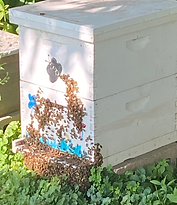
Bee bearding is a fascinating behavior that often puzzles beekeepers. If you have noticed a large cluster of bees hanging outside your hive, resembling a beard, you might wonder why this happens and whether it signals a problem. This post explores why bees beard, what it means for your hive, and practical steps you can take to manage it effectively.
Bee bearding occurs when bees gather in a dense cluster on the outside of the hive, often on the front or under the cover. This behavior is most common during warm weather and can involve hundreds or even thousands of bees. While it might look alarming, bearding is usually a natural response to environmental conditions rather than a sign of distress.
Why Do Bees Beard?
Bees beard for several reasons, mostly related to temperature regulation and colony health. Understanding these causes helps beekeepers respond appropriately.
Temperature Control
One of the main reasons bees beard is to cool the hive. When the temperature inside the hive rises, especially during hot summer days, bees cluster outside to reduce heat buildup. This behavior helps maintain an optimal environment for the brood and prevents overheating, which can be harmful to the colony.
Ventilation and Airflow
Bearding also improves airflow. Bees fan their wings to circulate air, and by moving outside, they create space inside the hive for better ventilation. This action helps remove excess moisture and carbon dioxide, keeping the hive healthy.
Swarming Preparation
Sometimes, bearding can indicate that the colony is preparing to swarm. When the hive becomes overcrowded, bees may gather outside as part of the process of splitting the colony. However, bearding alone is not a definitive sign of swarming; other behaviors like queen cells and increased activity inside the hive should also be observed.
Hive Congestion
If the hive is congested with honey, pollen, or brood, bees may beard to relieve crowding. This behavior allows them to spread out and avoid overheating or suffocation inside the hive.
How to Recognize Bee Bearding
Bee bearding is easy to spot. Look for a large group of bees hanging in a cluster on the hive’s exterior. The cluster can vary in size and shape but often resembles a thick beard or curtain of bees.
When Does Bearding Occur?
Warm, sunny days with temperatures above 80°F (27°C)
During midday or early afternoon when the hive heats up
In late spring and summer when the colony is most active
Is Bee Bearding a Problem?
In most cases, bee bearding is not harmful. It is a natural cooling mechanism and a sign that your bees are managing their environment well. However, excessive or prolonged bearding might indicate underlying issues such as poor ventilation or overcrowding.
When to Be Concerned
If bees beard frequently during cooler weather
If the cluster is unusually large and persistent
If you notice signs of stress like dead bees or aggressive behavior
In these cases, it’s worth inspecting the hive for ventilation problems, disease, or overcrowding.
Practical Solutions for Managing Bee Bearding
If you want to reduce bee bearding or ensure your hive stays healthy during these episodes, consider the following steps.
Improve Hive Ventilation
Add screened bottom boards to increase airflow
Use an upper entrance or ventilation holes to allow hot air to escape
Avoid blocking hive entrances with vegetation or debris
Provide Shade
Placing your hive in a shaded area during the hottest part of the day can reduce the need for bees to beard. Trees, shade cloths, or hive stands can help keep temperatures down.
Manage Hive Space
Ensure your hive has enough space for the colony to expand. Adding supers or brood boxes can prevent overcrowding and reduce bearding caused by congestion.
Monitor Colony Health
Regularly inspect your hive for signs of disease, pests, or queen problems. Healthy colonies are better at regulating temperature and less likely to exhibit excessive bearding.
Water Source
Provide a nearby water source for your bees. Water helps them cool the hive through evaporation and supports their overall health.
Examples from Experienced Beekeepers
Many beekeepers have observed bee bearding and shared their experiences. For instance, one beekeeper noticed heavy bearding during a heatwave and responded by adding a screened bottom board and moving the hive to a shaded spot. The bearding reduced significantly within days.
Another beekeeper found that adding an upper entrance improved airflow and decreased the number of bees clustering outside. These practical adjustments show how small changes can make a big difference.


