The Best Tips for Efficiently Watering Your Chickens
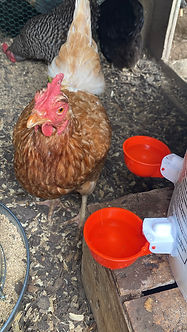
Choose the Right Watering System

Nipple Drinkers
These allow chickens to peck and release water directly from a small valve. They reduce water spillage and contamination, keeping the coop drier and cleaner. Nipple drinkers work well for medium to large flocks and are easy to connect to a water source.
Automatic Waterers
These systems refill water containers automatically, ensuring a constant supply. They save time and reduce the risk of running out of water, especially during hot days or when you are away.
Open Waterers
Traditional open bowls or troughs are simple and inexpensive. However, they require frequent cleaning and refilling to prevent algae growth and contamination. Use heavy or hanging containers to avoid tipping.
Keep Water Clean and Fresh
Chickens are sensitive to dirty water, which can lead to illness or reduced water intake. Follow these tips to maintain water quality:
Clean Containers Regularly
Wash waterers with soap and hot water at least once a week. Scrub away algae, dirt, and droppings to prevent bacteria buildup.
Change Water Daily
Fresh water encourages chickens to drink more. Replace water every day, especially in warm weather when it heats quickly.
Use Shade and Cool Water
Place waterers in shaded areas to keep water cool and reduce evaporation. You can also add ice cubes during hot days to lower the temperature.
Position Waterers Strategically
Where you place waterers affects how easily chickens can access water and how clean the area stays:
Near Feeding Areas
Chickens tend to drink after eating, so placing waterers close to feeders encourages regular drinking.
Avoid Muddy Spots
Position waterers on gravel, wood chips, or raised platforms to prevent mud and standing water, which attract pests and cause mess.
Multiple Stations for Large Flocks
Spread several water stations around the coop or run to reduce crowding and competition, ensuring all chickens get enough water.
Monitor Water Intake and Chicken Behavior
Check Water Levels Daily
Low water levels may indicate increased consumption due to heat or illness, or leaks in the system.
Watch for Signs of Dehydration
Symptoms include lethargy, sunken eyes, dry combs, and reduced egg laying. If you notice these, provide extra water and consult a vet if needed.
Adjust Watering in Extreme Weather
Chickens drink more in hot weather and less in cold. Increase water availability during summer and prevent freezing in winter by using heated waterers or insulating containers.
Use Water Additives Wisely
Sometimes adding supplements to water can support chicken health, but use them carefully:
Electrolytes
These help chickens recover from heat stress or illness by replenishing minerals.
Vitamins
Vitamin supplements can boost immunity during stressful periods like molting.
Avoid Overuse
Excess additives may discourage drinking or cause imbalances. Follow product instructions and consult experts if unsure.
Maintain Your Watering Equipment
Proper maintenance extends the life of your watering system and keeps water safe:
Inspect for Leaks and Damage
Check pipes, valves, and containers regularly. Fix leaks promptly to avoid water waste and muddy conditions.
Replace Worn Parts
Over time, rubber seals and valves may wear out. Keep spare parts on hand for quick repairs.
Winterize Your System
Drain and store equipment that can freeze, or use heated waterers to prevent ice buildup.
During the winter months, a heated waterer or poultry-safe water heater can help prevent your chickens' drinking water from freezing. Providing a constant source of fresh, unfrozen water is essential for keeping your flock healthy, hydrated, and laying consistently. Always use a heat tool specifically designed for poultry, follow the manufacturer's safety instructions, and check the water daily to ensure it stays clean and functioning properly. A reliable heated water source can make winter care much easier while helping your chickens stay comfortable in cold weather.
Watering chickens efficiently requires attention to their needs and the environment. By choosing the right system, keeping water clean, positioning waterers well, monitoring your flock, and maintaining equipment, you ensure your chickens stay healthy and productive. Start with small improvements today and watch your flock thrive with easy access to fresh water.


